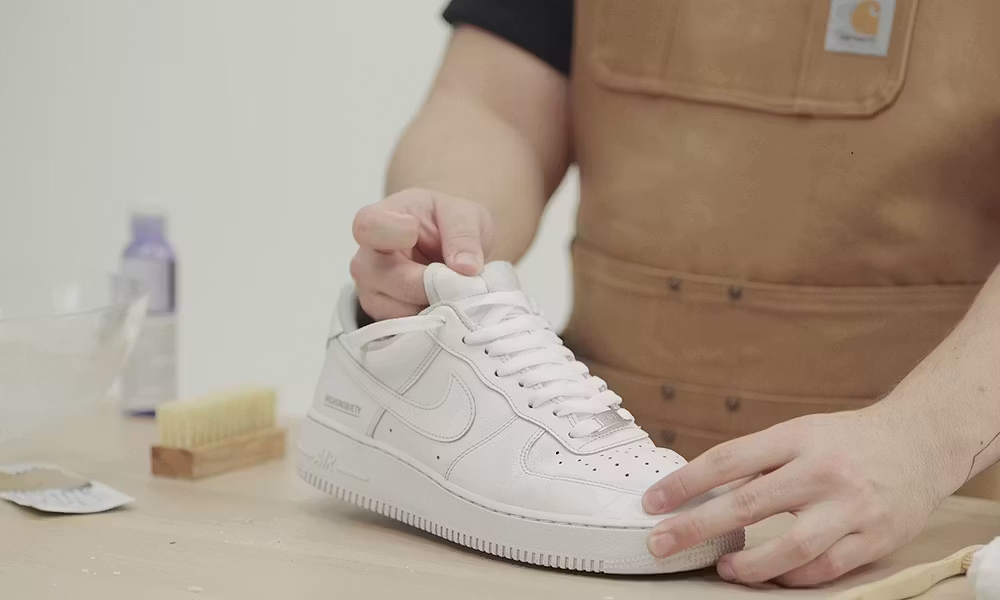
White shoes look great with almost everything, but keeping them spotless is another story. A little dust, a splash of mud, or a few grass stains can quickly make a clean pair look old and worn. The good news is that you don’t always need strong chemical cleaners to restore white shoes.
If you’re looking for how to clean white shoes naturally, several simple household ingredients can help remove everyday dirt and stains. Baking soda, mild soap, warm water, and gentle brushing are often enough for washable canvas and synthetic shoes.
However, not every shoe material should be cleaned in the same way. This guide explains how to clean white shoes naturally while protecting the material and avoiding common cleaning mistakes.
Can You Clean White Shoes Naturally?
Yes, but the method you use should depend on the shoe material.
White canvas sneakers are generally suitable for gentle cleaning with mild soap and water. Some synthetic materials can also tolerate simple homemade cleaning solutions. Leather, suede, and other delicate materials need more specialized care.
Before cleaning, check the care instructions provided by the manufacturer. If you’re unsure how a material will react, test your cleaning solution on a small, hidden area first.
Remember, “natural” doesn’t automatically mean “safe for everything.”
What You’ll Need
You don’t need a complicated collection of cleaning supplies. For a basic natural shoe-cleaning routine, gather:
-
Baking soda
-
Mild liquid soap or dish soap
-
Warm water
-
A soft toothbrush or shoe brush
-
Microfiber cloths
-
A small bowl
-
Clean white paper or paper towels
-
An old toothbrush for hard-to-reach areas
For lightly dirty shoes, you may only need warm water, mild soap, and a soft brush.
Step 1: Remove the Shoelaces
Take the shoelaces out before cleaning. Removing them allows you to reach areas around the eyelets and tongue more easily.
Clean the laces separately. If they are made from washable fabric, soak them briefly in warm water with a small amount of mild soap. Gently rub away dirt, rinse thoroughly, and leave them somewhere well ventilated to dry.
Clean laces can make a surprisingly big difference to the overall appearance of white shoes.
Step 2: Remove Loose Dirt
Don’t start with water immediately. First, use a dry, soft brush to remove loose dust, dirt, and dried debris.
Pay particular attention to the toe box, sides, heel, and around the sole.
If there is mud on your shoes, let it dry completely before brushing it off. Trying to clean wet mud can spread it and make the stain more difficult to remove.
Removing loose dirt first also prevents gritty particles from being pushed deeper into the fabric during cleaning.
Step 3: Make a Natural Cleaning Paste
For washable white canvas or suitable synthetic shoes, baking soda can be used to make a simple cleaning paste.
Place a small amount of baking soda in a bowl and gradually add water until you get a thick paste. If necessary, add a small amount of mild dish soap.
You don’t need a lot of product. A small amount is usually easier to control and rinse away.
Because baking soda has a mildly abrasive texture, avoid using heavy pressure, especially on delicate materials.
Step 4: Apply the Cleaning Solution
Dip a soft toothbrush into the paste and gently apply it to dirty areas.
Use small circular motions and concentrate on visible stains. You don’t need to cover the entire shoe with a thick layer of cleaning paste.
The toe area, heel, sides, and areas around the laces usually need the most attention because they experience more contact with dirt.
If you’re cleaning leather or suede, don’t automatically use this method. Those materials can require specific cleaning products and techniques.
Step 5: Scrub Gently
Once the cleaning solution has been applied, gently work it into the material with your brush.
Avoid aggressive scrubbing. Pressing too hard can damage fabric fibers, roughen surfaces, or create areas that look different from the rest of the shoe.
For canvas shoes, an old toothbrush can be useful because the small bristles can work into the fabric without requiring excessive pressure.
If a stain doesn’t disappear immediately, repeat the gentle cleaning process rather than scrubbing harder.
Step 6: Wipe Away Dirt and Residue
After cleaning, use a clean microfiber cloth that has been lightly dampened with water.
Wipe away the remaining baking soda, soap, and loosened dirt. Avoid soaking the shoes.
Too much water can penetrate the material and may affect adhesives or make the shoes difficult to dry properly.
Rinse the cloth regularly while cleaning so that you don’t spread the dirt back across the shoe.
Step 7: Clean the White Rubber Soles
White soles can often handle a little more scrubbing than the upper material.
Use a soft brush or damp cloth with a small amount of mild soap. Gently work around the edges and underneath the shoe.
For stubborn marks on suitable rubber surfaces, a cleaning sponge may help. However, abrasive sponges can alter the finish of some materials, so test one first in an inconspicuous area.
Wipe away the remaining soap when you’re finished.
Step 8: Let the Shoes Air-Dry
Drying your shoes correctly is an important part of the process.
Use a clean towel to remove excess moisture, then place the shoes somewhere cool and well ventilated.
Avoid putting wet shoes directly next to a heater or using intense heat to speed up drying. Excessive heat can affect adhesives, materials, and the shape of footwear.
If you want to help the shoes retain their shape, loosely fill them with clean white paper while they dry. Avoid colored paper or newspaper that could transfer ink onto the shoes.
How to Remove Common Stains Naturally
Grass Stains
Start by brushing away dried grass and dirt. Then apply a mild soap-and-water solution and gently brush the stained area.
Don’t scrub aggressively, especially on fabric shoes.
Mud Stains
Always let mud dry first. Brush off as much dried dirt as possible before using a damp cloth or cleaning solution.
Scuff Marks
For suitable rubber soles and synthetic surfaces, gently rubbing a damp cleaning sponge over the mark may help. Test it first to make sure it doesn’t change the finish.
Everyday Dirt
For ordinary dust and light stains, you may not need baking soda at all. Warm water and a little mild soap can often do the job.
Should You Use Vinegar or Lemon Juice?
Vinegar and lemon juice are frequently recommended as natural cleaning solutions, but they aren’t ideal for every type of footwear.
Their acidity may affect certain materials, finishes, dyes, or adhesives. They can also cause discoloration in some circumstances.
If you decide to try an acidic ingredient, always check the shoe’s care instructions and test it on a hidden section first.
For expensive or delicate shoes, using a cleaner specifically designed for the material is generally a safer option.
Common Mistakes to Avoid
One of the biggest mistakes when cleaning white shoes is using too much water. Shoes rarely need to be soaked to get clean.
Another mistake is scrubbing too aggressively. Hard brushing may remove dirt, but it can also damage the material and shorten the life of your shoes.
Don’t mix household cleaning ingredients without knowing whether they’re compatible. Never combine homemade cleaning mixtures with bleach or other strong chemical cleaners.
Finally, avoid using excessive heat to dry your shoes. Natural air-drying is usually the safer option.
How to Keep White Shoes Clean Longer
The easiest way to keep white shoes looking fresh is to clean them regularly.
Don’t wait until dirt has built up for weeks. Wipe off fresh marks as soon as possible and brush away loose dirt after wearing your shoes outdoors.
Store your shoes in a clean, dry place when you’re not wearing them. Avoid leaving them in damp areas where moisture and odors can build up.
If your shoe manufacturer recommends a protective treatment for the particular material, follow the instructions carefully. A suitable protective product may make future cleaning easier.
Final Thoughts
Learning how to clean white shoes naturally can be simple and affordable. For many washable canvas and synthetic sneakers, baking soda, mild soap, warm water, and gentle brushing can handle everyday dirt and stains.
The most important thing is to consider the material before choosing a cleaning method. A homemade baking soda solution may work well on canvas but isn’t necessarily appropriate for suede or delicate leather.
Clean gently, use only as much water as necessary, and let your shoes dry naturally. With regular care, you can keep your favorite white shoes looking clean and fresh without reaching for harsh cleaning products every time.