Walking into a home that smells fresh can instantly make the space feel more comfortable and inviting. But you don’t need to rely on strong air fresheners or artificial fragrances to achieve that clean, pleasant feeling. In many cases, the simplest solutions are already sitting in your kitchen or cleaning cupboard.
If you’re looking for how to make a home smell good naturally, the first step is to deal with unpleasant odors at their source. Once your home is clean, dry, and well ventilated, you can add subtle natural scents with ingredients such as citrus, herbs, baking soda, or essential oils.
Here is a practical step-by-step guide to making your home smell fresh naturally.
Why Does Your Home Smell?
Before trying to add a pleasant scent, take a moment to find out where unwanted odors are coming from.
Common sources include kitchen garbage, dirty dishes, damp towels, pet bedding, shoes, carpets, drains, refrigerators, and upholstered furniture. Cooking smells can also travel from the kitchen into bedrooms and living areas.
Moisture is another common culprit. A damp bathroom, wet laundry, or poorly ventilated room can develop a musty smell over time.
Instead of covering these odors with fragrance, identify and clean the source first. This creates a much better foundation for a naturally fresh-smelling home.
Step 1: Let Fresh Air Into Your Home
One of the easiest ways to freshen indoor air is to improve ventilation.
When weather and outdoor conditions allow, open windows and interior doors for a while. Fresh airflow can help push out stale odors and make rooms feel less stuffy.
Use kitchen and bathroom exhaust fans when needed. These areas produce a lot of moisture and strong smells, so removing humid air at the source can make a noticeable difference.
If a particular room always feels stale, consider whether poor airflow is contributing to the problem.
Step 2: Remove Garbage Regularly
Kitchen and bathroom trash cans can become odor sources surprisingly quickly.
Empty garbage regularly, especially when the bin contains food scraps, used tissues, or other materials that can develop odors.
Every so often, wash the inside of the trash can with an appropriate cleaner and allow it to dry completely before putting in a new liner.
Don’t overlook small wastebaskets in bedrooms, offices, or bathrooms. Even a small amount of waste can create an unpleasant smell when left for too long.
Step 3: Clean Fabrics That Hold Odors
Fabrics can absorb smells and hold onto them much longer than hard surfaces.
Wash bedding, towels, bath mats, blankets, and cushion covers regularly. Vacuum carpets and rugs to remove dust, dirt, and other particles that can contribute to stale odors.
Pet owners should pay special attention to pet beds, blankets, and favorite resting areas. Wash these items according to their care instructions.
If upholstery or carpeting has absorbed a strong odor, clean it using a method appropriate for the material rather than simply spraying fragrance over it.
Step 4: Use Baking Soda to Absorb Unwanted Smells
Baking soda is a simple household ingredient that can help reduce certain odors.
Place a small open container of baking soda inside the refrigerator or near an area where odors tend to build up. Replace it periodically.
For some carpets and rugs, baking soda may also be used as an odor absorber before vacuuming. However, always check the manufacturer’s care instructions first.
Keep in mind that baking soda is not a substitute for cleaning. If an unpleasant smell comes from mold, spoiled food, dirty fabric, or another source, deal with the source directly.
Step 5: Keep the Kitchen Fresh
The kitchen is often the main source of strong household odors.
Use your range hood or exhaust fan while cooking, particularly when frying foods. If appropriate, open a window to help move cooking smells outside.
Clean your stovetop, countertops, backsplash, and other cooking surfaces regularly. Wash dishcloths, towels, and reusable sponges frequently because they can develop unpleasant smells.
For a temporary natural fragrance, you can simmer water with ingredients such as orange or lemon peels. Add the ingredients to a pot of water and keep the heat low while monitoring it carefully. Never leave a simmering pot unattended.
Step 6: Add a Fresh Citrus Scent
Citrus fruits are an easy way to introduce a bright, fresh aroma into your home.
Place fresh lemon or orange peels in a small bowl in the kitchen or another suitable area. You can also add citrus peels to simmering water for a short-term fragrance.
Replace the peels once they become dry or start to lose their pleasant scent. Don’t leave damp organic material sitting around for long periods because it can eventually develop mold.
Step 7: Bring in Fresh Herbs
A few aromatic herbs can provide a subtle natural fragrance.
Rosemary, mint, lavender, and similar herbs can be placed in decorative bowls, jars, or small arrangements. Fresh herbs can also make a kitchen or dining area feel more inviting.
Keep an eye on fresh herbs and replace them when they wilt or develop an unpleasant smell.
Dried herbs can last longer and may provide a softer fragrance.
Step 8: Try Essential Oils Carefully
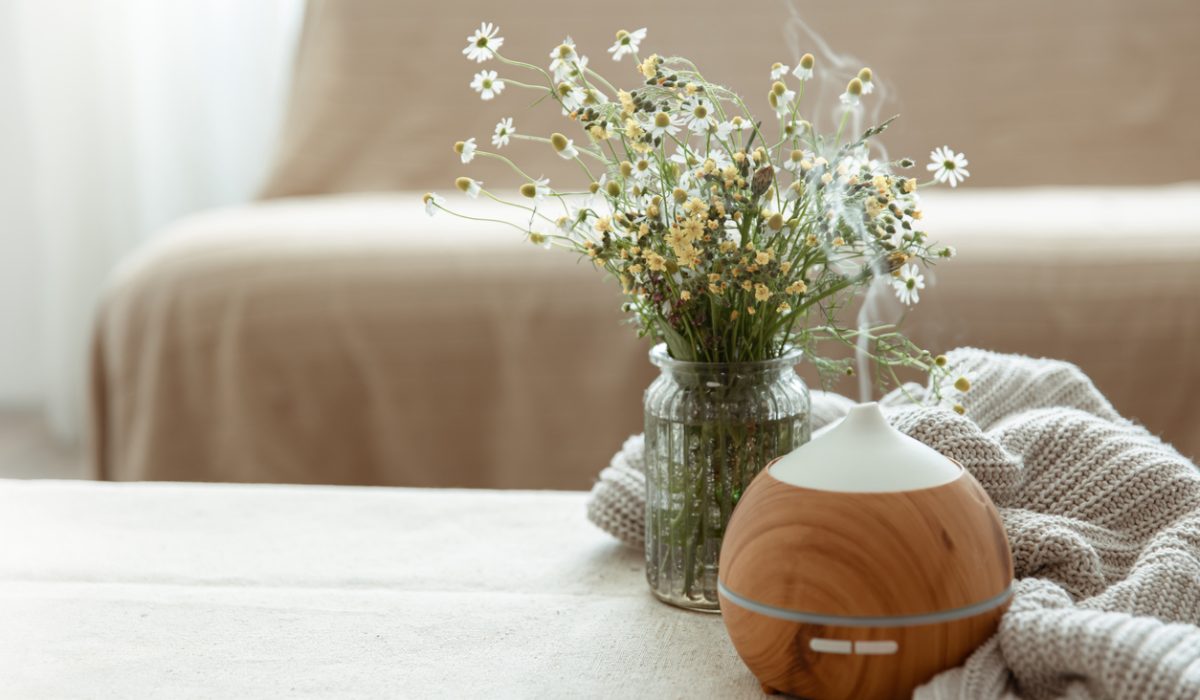
If you enjoy stronger natural fragrances, an essential oil diffuser can be another option.
Commonly used scents include lavender, lemon, peppermint, and eucalyptus. Choose a diffuser designed for essential oils and follow its instructions carefully.
Essential oils are highly concentrated, so more isn’t necessarily better. Keep oils safely away from children and pets, and check whether particular oils are appropriate for animals in your household.
If anyone in the home is sensitive to fragrances, use a small amount or skip essential oils altogether.
Step 9: Keep the Bathroom Dry
A fresh-smelling bathroom starts with moisture control.
Run the exhaust fan while showering and for a while afterward. Open a window when appropriate to help reduce humidity.
Hang towels so that they can dry properly instead of leaving them in a damp pile. Wash towels and bath mats regularly.
Clean sinks, toilets, shower surfaces, and floors as part of your normal cleaning routine.
If a persistent unpleasant odor comes from a drain or plumbing fixture, investigate the underlying problem rather than trying to hide it with fragrance.
Step 10: Freshen Shoes and Entryways
Shoes can bring outdoor dirt and odors into your home.
Allow damp footwear to dry fully before storing it. Avoid keeping wet shoes inside closed cabinets where moisture and odors can become trapped.
Vacuum or sweep entryway floors regularly and clean doormats according to their care instructions.
For shoes that have developed odors, clean them according to the manufacturer’s instructions and make sure they’re completely dry before wearing or storing them.
Mistakes to Avoid
One of the biggest mistakes is using fragrance to cover up a persistent odor. If something smells musty, sour, or unusually strong, look for the source.
Don’t allow damp fabrics to sit around for extended periods. Moisture can encourage unpleasant smells and contribute to mold growth.
Also, avoid mixing household cleaning ingredients unless you know they’re compatible. Never mix vinegar with bleach or other incompatible chemicals.
If you’re using candles, wax warmers, simmering pots, or other heat sources, never leave them unattended.
How to Keep Your Home Smelling Fresh Naturally
Keeping a home fresh is easier when you make it part of your regular routine.
Open windows when appropriate, remove trash regularly, clean spills quickly, wash bedding and towels, and vacuum carpets and rugs.
Keep kitchens and bathrooms well ventilated, and deal with leaks or damp areas as soon as you notice them.
Instead of trying to make every room smell strongly scented, aim for a clean baseline with a subtle natural fragrance. This usually feels fresher and more comfortable.
Final Thoughts
Learning how to make a home smell good naturally starts with cleanliness, ventilation, and moisture control. Once unpleasant odors are removed at the source, natural ingredients such as citrus peels, herbs, and baking soda can help maintain a pleasant environment.
Essential oils can also provide fragrance when used carefully and appropriately.
The goal isn’t to make your home smell overwhelmingly perfumed. A clean, dry, well-ventilated space with a light natural scent can be enough to make your home feel fresh, comfortable, and welcoming every day.