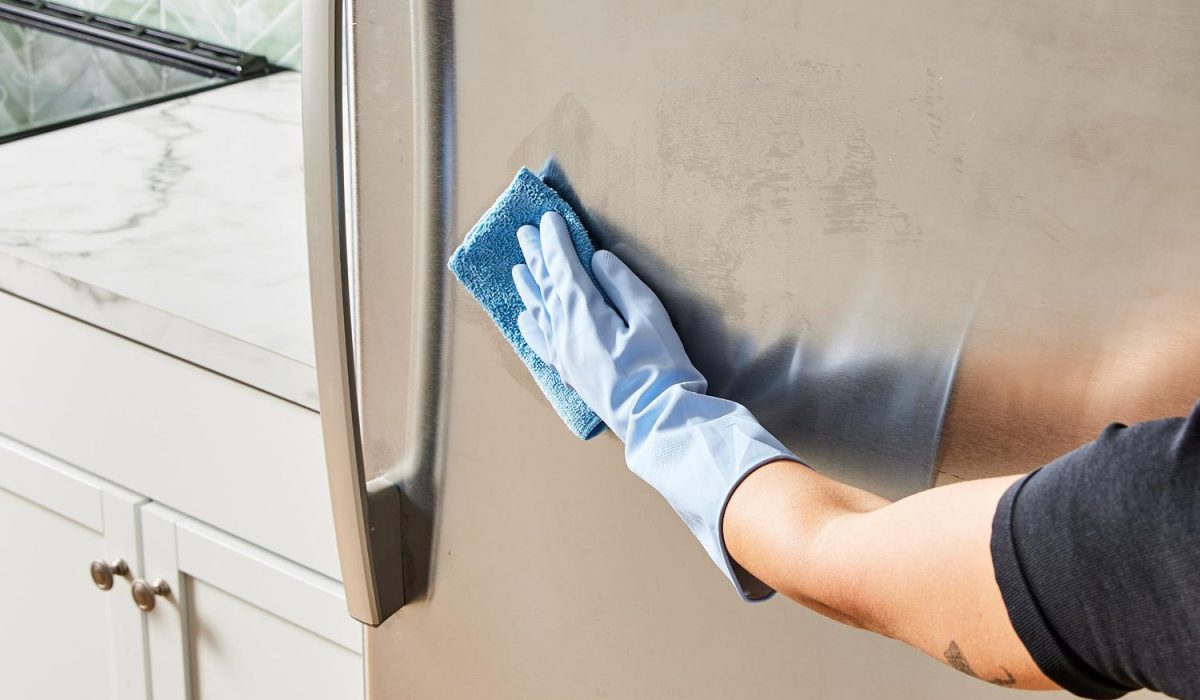
Stainless steel is popular in kitchens and homes because it looks modern, durable, and easy to maintain. From refrigerators and ovens to sinks, cookware, and faucets, stainless steel can handle plenty of everyday use. However, fingerprints, water spots, grease, and food splashes can quickly make the surface look dull.
The good news is that cleaning stainless steel doesn’t have to be complicated. The best way to clean stainless steel is usually to use a gentle cleaner, a soft cloth, and the right technique for the direction of the metal’s grain.
Whether you’re dealing with everyday fingerprints or stubborn grease, this guide covers simple cleaning methods, common mistakes to avoid, and practical tips for choosing stainless steel cleaning products.
Why Does Stainless Steel Get Dirty So Easily?
Although stainless steel is resistant to corrosion, it isn’t resistant to fingerprints, grease, mineral deposits, or food residue.
Kitchen appliances are particularly prone to marks because they’re touched frequently. Sinks and faucets can develop water spots when mineral-rich water evaporates and leaves deposits behind.
The good news is that most everyday stains can be removed without harsh chemicals or abrasive tools.
What You Need to Clean Stainless Steel
For routine cleaning, you don’t need a large collection of products. Keep these basic supplies nearby:
-
Warm water
-
Mild dish soap
-
Microfiber cloths
-
A soft sponge
-
A dry, clean towel
-
Stainless steel cleaner for tougher jobs
Microfiber cloths are particularly useful because they can lift fingerprints and dirt without being overly abrasive.
Step 1: Remove Loose Dirt
Before applying a cleaner, wipe the surface with a clean, damp microfiber cloth.
This removes dust, crumbs, and loose residue that could otherwise be dragged across the surface while you clean.
For a refrigerator or appliance, work from the top downward so that any moisture or debris doesn’t fall onto areas you’ve already cleaned.
Step 2: Use Mild Soap for Everyday Cleaning
For most stainless steel surfaces, warm water and a small amount of mild dish soap are enough.
Add a few drops of dish soap to warm water and dampen a microfiber cloth. Wring it out so it’s damp rather than soaking wet.
Wipe the stainless steel gently, following the direction of the grain.
You may notice faint lines running horizontally or vertically across the surface. These are the grain of the stainless steel, and wiping in the same direction helps produce a more even finish.
Step 3: Wipe Away Soap Residue
After cleaning, use another microfiber cloth dampened with clean water to remove any leftover soap.
This step is important because soap residue can dry and leave the surface looking streaky or cloudy.
Once the residue is gone, use a dry microfiber cloth to remove moisture.
Step 4: Deal With Fingerprints
Fingerprints are one of the most common stainless steel problems, particularly on refrigerators and dishwashers.
A damp microfiber cloth can remove many fresh fingerprints. For more noticeable grease marks, use a small amount of mild dish soap diluted in water.
Wipe gently with the grain, then rinse the cloth and wipe again with clean water.
Finish by drying the surface thoroughly.
Step 5: Remove Water Spots
Water spots are particularly common on stainless steel sinks and faucets.
For light spots, warm water and a microfiber cloth may be enough. Wipe the area and dry it completely.
Mineral deposits that have been allowed to build up may require a suitable descaling or stainless steel cleaning product. Always check that the product is appropriate for the specific surface before using it.
Avoid using harsh or abrasive methods simply because a water spot is stubborn.
Step 6: Clean Greasy Stainless Steel
Grease and cooking residue can make stainless steel look cloudy.
Start with warm water and a little dish soap. Apply the solution with a soft microfiber cloth and gently work across the greasy area.
For heavy buildup, you may need to repeat the process rather than immediately reaching for a strong chemical cleaner.
Once the grease is gone, wipe the surface with clean water and dry it completely.
What About Vinegar?
White vinegar is sometimes used to clean stainless steel because its acidity can help with certain mineral deposits and residues.
However, vinegar isn’t appropriate for every stainless steel finish or appliance surface. It can also be problematic if left sitting on the surface for too long.
If the manufacturer’s care instructions allow it, dilute vinegar appropriately and use it briefly rather than allowing it to sit for an extended period. Always rinse and dry the surface afterward.
When in doubt, use a product specifically designed for stainless steel.
What Should You Avoid When Cleaning Stainless Steel?
Knowing what not to use is just as important as knowing what works.
Avoid steel wool, abrasive scouring pads, and rough brushes. These can scratch the surface and leave permanent marks.
Don’t use bleach or chlorine-based cleaners unless the manufacturer specifically states that they are safe for the particular surface. Chloride exposure can damage stainless steel.
Avoid leaving cleaning solutions sitting on the surface for longer than recommended.
And don’t wipe randomly across the grain if you can avoid it. Following the grain generally produces a cleaner and more consistent appearance.
Buying Tips: Choosing a Stainless Steel Cleaner
If you clean stainless steel regularly, a dedicated cleaner can be convenient. But not every product is suitable for every application.
Check the Surface
Some stainless steel cleaners are designed for appliances, while others are intended for sinks, cookware, or industrial surfaces.
Read the product label carefully before purchasing.
Look for a Non-Abrasive Formula
A cleaner that removes fingerprints without scratching the surface is preferable for everyday maintenance.
Consider Spray or Wipe Formats
Sprays can be convenient for large appliances, while pre-moistened wipes can be useful for quick cleaning.
Choose the format that fits how often you clean and how large the surfaces are.
Read the Manufacturer’s Instructions
Your appliance manufacturer may recommend specific cleaning products or advise against certain ingredients.
Following those instructions can help prevent accidental damage and protect the finish.
Should You Use Stainless Steel Polish?
Stainless steel polish isn’t always necessary for routine cleaning, but it can help improve the appearance of some surfaces.
A polish may leave a smoother-looking finish and help reduce the visibility of fingerprints. However, excessive product can create a greasy or streaky appearance.
If you use polish, apply a small amount and follow the product directions carefully.
How to Keep Stainless Steel Looking Clean Longer
Regular maintenance is easier than removing months of built-up grime.
Wipe fingerprints and spills when you notice them. Dry sinks and faucets after use when possible to reduce water spots.
In the kitchen, clean food splashes before they dry onto the surface.
Use separate clean cloths for particularly dirty areas so that grease and debris aren’t transferred to other surfaces.
Final Thoughts
The best way to clean stainless steel is usually surprisingly simple: use warm water, a little mild soap, a soft microfiber cloth, and gentle movements that follow the grain.
For tougher stains, a stainless steel cleaner can be useful, but stronger doesn’t necessarily mean better. Avoid abrasive tools and harsh chemicals that could damage the finish.
With regular wiping, proper drying, and the right cleaning products, stainless steel appliances, sinks, and fixtures can maintain their clean appearance for years.