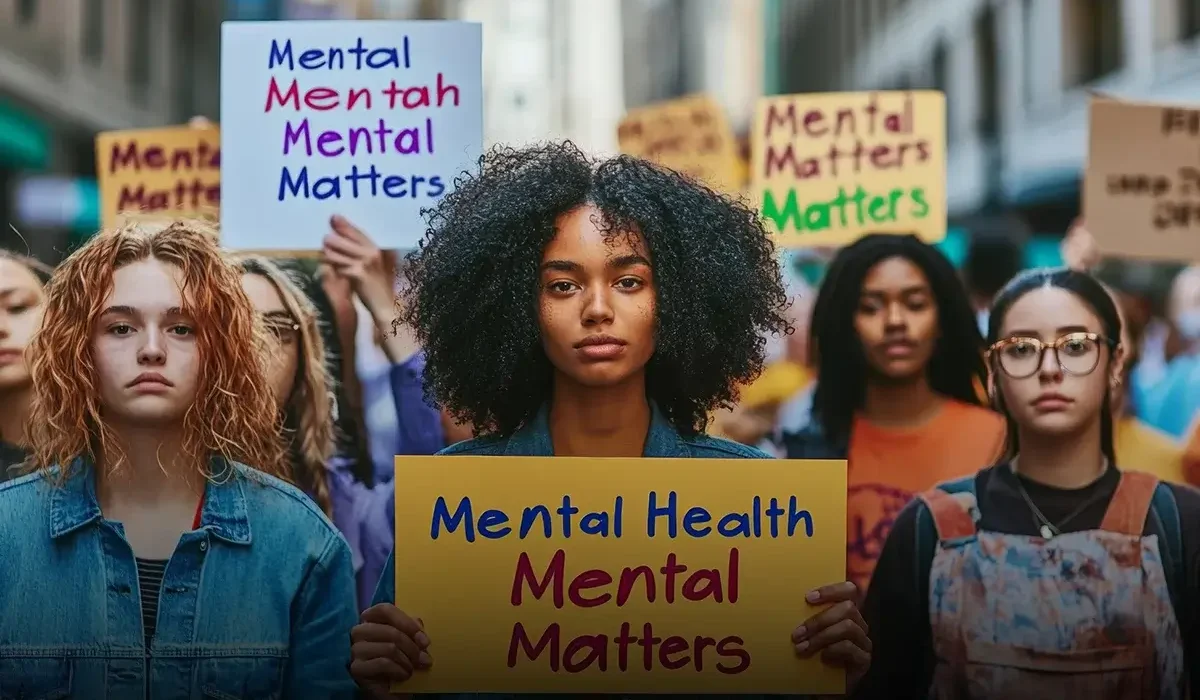
Mental health has become one of the most important topics in today’s world. People are increasingly recognizing the importance of emotional well-being, stress management, and psychological health in everyday life. With changing lifestyles, work pressure, financial challenges, and increased digital exposure, maintaining good mental health has become more important than ever.
In 2026, mental health awareness and healthcare services continue to evolve. New research, digital mental health platforms, artificial intelligence, and community-based support programs are creating new opportunities for people to access psychological care.
Around the world, healthcare organizations are also focusing on making mental health services more accessible, affordable, and effective. In this article, we explore the latest mental health updates in 2026, emerging trends, important developments, and ways to improve emotional well-being.
1. Growing Awareness of Mental Health
Mental health awareness is growing worldwide. More people are discussing anxiety, depression, emotional stress, loneliness, and other psychological challenges without feeling as much social pressure as before.
Schools, workplaces, healthcare organizations, and community groups are introducing awareness programs to encourage people to seek support when needed.
Social media has also helped spread mental health information. However, people should always check whether online health advice comes from reliable sources.
Greater awareness can help reduce stigma and encourage early professional support.
2. Artificial Intelligence in Mental Healthcare
Artificial intelligence (AI) is becoming an important part of modern healthcare, including mental health services.
AI-powered tools can help organize patient information, support healthcare research, and provide digital access to general mental health resources. Some platforms also offer guided exercises, mood tracking, and self-help activities.
In 2026, experts are paying more attention to the responsible use of AI in mental healthcare. The World Health Organization has highlighted the importance of safety, accountability, privacy, and human well-being when developing AI-based mental health solutions.
AI can support mental healthcare, but it should not replace qualified psychologists, psychiatrists, or emergency support services.
3. Digital Mental Health Services
Digital mental health services are becoming increasingly popular because they allow people to access information and support through smartphones, computers, and online platforms.
Virtual counselling, online therapy sessions, mental health applications, and digital self-help programs are examples of these services.
The Asian Development Bank published an August 2026 report examining how digital mental health interventions can strengthen primary healthcare services across Asia and the Pacific.
These developments may help people in remote communities access support more conveniently. However, privacy protection, professional supervision, and reliable information remain essential.
4. Mental Health Support for Young People
Children, teenagers, and young adults face different emotional and psychological challenges.
Academic pressure, social media comparisons, cyberbullying, family problems, and uncertainty about the future can affect their emotional well-being.
In 2026, schools and educational institutions are increasingly recognizing the importance of mental health education and emotional support.
Parents and teachers can help by encouraging open conversations, creating supportive environments, and recognizing changes in behaviour.
Early support can make a meaningful difference in helping young people develop healthy coping skills.
5. Stress Management and Emotional Well-Being
Stress is a common part of modern life. However, long-term stress can affect sleep, concentration, relationships, and overall health.
People are becoming more interested in practical ways to manage everyday stress.
Some helpful habits include:
- Maintaining a regular sleep schedule.
- Exercising and staying physically active.
- Practising mindfulness and relaxation.
- Spending quality time with friends and family.
- Taking breaks from digital devices.
- Maintaining a healthy work-life balance.
These habits can support emotional well-being, although they are not substitutes for professional treatment when someone needs additional help.
6. Better Access to Community-Based Mental Healthcare
One important mental health development in 2026 is the growing focus on community-based healthcare.
On 9 October 2026, the World Health Organization called for a shift away from long-term institutional care towards person-centred mental health services within communities.
The approach focuses on human rights, personal choice, social inclusion, and access to healthcare, education, housing, and family support.
This development highlights the importance of treating people with dignity and helping them participate fully in society.
7. Mental Health Updates in Bangladesh
Mental health awareness and services are also receiving attention in Bangladesh.
According to the World Health Organization’s Bangladesh mental health programme update, more than 20,000 mental health consultations were provided during 2025.
The programme also supported training for 846 non-specialist healthcare providers and strengthened supervision and mental health service delivery.
These efforts are important because expanding access to trained healthcare professionals and community-based services can help more people receive appropriate support.
Bangladesh’s mental health priorities for 2026 include strengthening district-level services, improving referral systems, supporting suicide prevention, and increasing community awareness.
8. Workplace Mental Health
Workplace mental health is becoming an important issue for employers and employees.
Long working hours, unrealistic expectations, job insecurity, and poor work-life balance can contribute to emotional exhaustion and workplace stress.
Many organizations are beginning to recognize that employee well-being is connected to productivity, job satisfaction, and long-term organizational success.
Supportive management, reasonable workloads, flexible working arrangements, and access to mental health resources can help create healthier workplaces.
9. The Importance of Early Mental Health Support
Recognizing mental health difficulties early can help people access appropriate care before problems become more difficult to manage.
Persistent sadness, excessive worry, sleep difficulties, loss of interest, and problems with daily activities may be reasons to speak with a qualified healthcare professional.
Mental health conditions are treatable, and seeking professional help should never be considered a weakness.
Family members and friends can also provide valuable emotional support by listening without judgment and encouraging appropriate care.
Benefits of Improving Mental Health Awareness
Better mental health awareness offers several important benefits:
- Reduced stigma: Encourages people to discuss mental health openly.
- Early support: Helps individuals recognize concerns and seek professional assistance.
- Better relationships: Supports healthy communication and emotional understanding.
- Improved productivity: Promotes healthier learning and working environments.
- Stronger communities: Encourages social connection and mutual support.
- Better access to care: Helps people understand available healthcare services.
Frequently Asked Questions (FAQs)
1. What are the latest mental health updates in 2026?
Important developments include AI-assisted mental healthcare, digital therapy services, community-based support, youth mental health awareness, and improved access to psychological self-help programs.
2. Why is mental health awareness important?
Mental health awareness helps people understand emotional challenges, reduce stigma, recognize early warning signs, and seek appropriate professional support.
3. How is AI changing mental healthcare?
AI can support research, organize healthcare information, and provide access to certain digital self-help resources. However, professional supervision and safety are essential.
4. How can I improve my mental health naturally?
Regular exercise, sufficient sleep, healthy relationships, relaxation, and balanced daily routines can support emotional well-being. Professional help may be necessary when difficulties persist.
5. What is the future of mental healthcare?
The future of mental healthcare is likely to involve more accessible digital services, community-based treatment, personalized support, responsible AI, and greater public awareness.
Final Thoughts
Mental health is an essential part of overall well-being, and the latest developments in 2026 show that the world is paying greater attention to psychological health and emotional support.
From artificial intelligence and digital healthcare to community-based services and workplace awareness, new developments are creating opportunities to improve mental health support.
However, technology alone cannot solve every mental health challenge. Compassion, professional care, family support, education, and accessible healthcare services remain equally important.
Everyone deserves the opportunity to live a healthy and balanced life. By increasing awareness, reducing stigma, and encouraging people to seek support, society can move towards a future where mental health receives the attention and care it deserves.