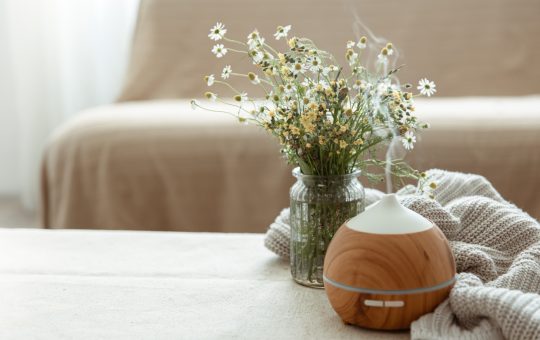
A home that smells fresh can feel cleaner, more comfortable, and more welcoming. But creating a pleasant scent isn’t simply about spraying air freshener around the house. If unpleasant odors are coming from trash, damp fabrics, cooking, pets, or drains, covering them with fragrance may only provide a temporary fix.
The best way to make a home smell good is to start by removing the source of odors, improve airflow, keep fabrics clean, and then add a fragrance you genuinely enjoy.
Whether you prefer natural solutions, scented candles, essential oils, or simple air fresheners, a few practical habits can make your home smell fresher every day.
Why Does a Home Start Smelling Bad?
Every home develops odors over time. Cooking smells can linger in kitchens, damp towels can develop a musty odor, and garbage can quickly affect the surrounding area.
Other common sources include carpets, upholstery, shoes, pet bedding, refrigerators, garbage disposals, and bathroom drains.
Humidity can make odors even more noticeable. When a room stays warm and damp, fabrics and surfaces can hold onto smells for longer.
The first step toward a fresh-smelling home is therefore identifying where the odor is coming from.
1. Start With a Good Cleaning Routine
No fragrance can replace basic cleaning.
Take out garbage regularly, wipe kitchen surfaces after cooking, clean floors, and wash frequently used fabrics.
Pay special attention to places that don’t always get cleaned during routine housekeeping. Wash curtains, clean under furniture, wipe trash cans, and check areas around appliances.
Once the odor source is removed, any fragrance you add afterward will smell cleaner and last longer.
2. Improve Airflow
Fresh air can make a surprising difference.
Open windows when weather and outdoor conditions allow it. Good airflow helps move stale smells out of rooms and reduces the feeling of stuffiness.
Bathroom and kitchen exhaust fans are also useful because they help remove moisture, steam, and cooking odors.
If certain rooms remain stuffy even with windows open, a fan or air purifier may help improve air circulation.
3. Keep Fabrics Fresh
Soft materials can absorb odors and hold them for surprisingly long periods.
Wash bedding regularly and don’t leave damp towels sitting in a pile. Vacuum carpets and rugs frequently, and clean upholstery according to the manufacturer’s instructions.
Don’t forget smaller items such as cushions, blankets, bath mats, and pet bedding.
If a fabric has absorbed a strong odor, simply spraying air freshener on it usually won’t solve the problem. Cleaning the fabric is the better first step.
4. Keep the Kitchen Smelling Fresh
Cooking can leave strong smells throughout the house.
Use a range hood or exhaust fan while cooking, particularly when frying or preparing foods with strong aromas.
Clean countertops, stovetops, and cooking surfaces after meals. Empty the trash regularly and clean the inside of the garbage bin from time to time.
You can also simmer ingredients such as citrus peels or cinnamon in water for a pleasant temporary aroma, provided you monitor the pot and follow normal kitchen safety practices.
5. Don’t Ignore the Bathroom
Bathrooms can develop unpleasant odors from damp towels, drains, trash, and poor ventilation.
Run the exhaust fan during showers and afterward. Wash towels and bath mats regularly, and keep wet items spread out so they can dry.
Clean sinks, toilets, floors, and other bathroom surfaces regularly.
If a persistent odor seems to come from a drain, cleaning the drain appropriately may help. If the smell continues, there could be a plumbing or drainage issue that needs attention.
Natural Ways to Make Your Home Smell Good
If you prefer simple, natural approaches, several options can add a pleasant scent without relying on heavy fragrance.
Citrus
Fresh lemon, orange, or other citrus peels can provide a clean, bright aroma. You can also use them in simple simmering recipes while cooking.
Baking Soda
Baking soda is useful for absorbing odors in places such as refrigerators, trash cans, and some carpets. It works differently from an air freshener because it can help reduce certain odors rather than simply adding another fragrance.
Essential Oils
Essential oils can be used in a diffuser designed for that purpose. Popular scents include lavender, lemon, peppermint, and eucalyptus.
Use essential oils according to the diffuser manufacturer’s instructions and keep concentrated oils away from children and pets.
Choosing the Right Home Fragrance
Once your home is clean and well ventilated, adding fragrance can make it feel even more inviting.
There are several common options.
Scented Candles
Candles provide both fragrance and a warm visual atmosphere. They’re particularly popular for living rooms, bedrooms, and entertaining areas.
Never leave a burning candle unattended, and keep it away from curtains, furniture, children, and pets.
Reed Diffusers
Reed diffusers provide continuous fragrance without requiring a flame or electricity. They can be convenient for smaller rooms such as bathrooms, entryways, and bedrooms.
Electric or Ultrasonic Diffusers
Diffusers designed for fragrance oils can distribute scent through a room without burning a candle. Follow the manufacturer’s instructions and choose oils and liquids specifically intended for the device.
Room Sprays
Room sprays are useful when you want an immediate burst of fragrance. They’re convenient for guest rooms, bathrooms, and living spaces.
However, spraying too much can make a room smell overwhelming rather than fresh.
Buying Tips: How to Choose Home Fragrance Products
When shopping for products to make your home smell good, think about where you’ll use them and how strong you want the fragrance to be.
Consider room size. A small bathroom doesn’t need the same fragrance intensity as a large living room.
Choose scents carefully. Fresh citrus, light floral, or clean scents may work well in daytime living areas, while warmer fragrances can create a cozy atmosphere in bedrooms or lounges.
Check the ingredients and instructions. If you have children, pets, allergies, or sensitivities, review the product information carefully.
Think about maintenance. Candles require attention while burning, while reed diffusers and some electric options can provide longer-lasting fragrance with less daily effort.
Don’t rely on fragrance alone. If you have persistent odors, investigate the source rather than continually adding more scent.
How to Make Your Home Smell Good All Day
A few small habits can make a noticeable difference.
Open windows when appropriate, empty garbage regularly, clean spills quickly, wash bedding and towels frequently, and keep damp areas ventilated.
Vacuum regularly, especially if you have carpets or pets.
You can also place odor absorbers in problem areas and use a mild home fragrance after cleaning.
The goal is to create a clean baseline scent rather than an overpowering cloud of fragrance.
Final Thoughts
The best way to make a home smell good is to combine cleanliness, airflow, moisture control, and a fragrance that suits your space.
Start by finding and removing odor sources. Keep fabrics clean, ventilate kitchens and bathrooms, and deal with damp areas promptly. Once your home is genuinely clean, candles, reed diffusers, essential oils, or room sprays can add the finishing touch.
A fresh-smelling home doesn’t need to smell strongly scented. Often, the most pleasant result is simply a clean, comfortable space with a subtle fragrance that makes it feel inviting.