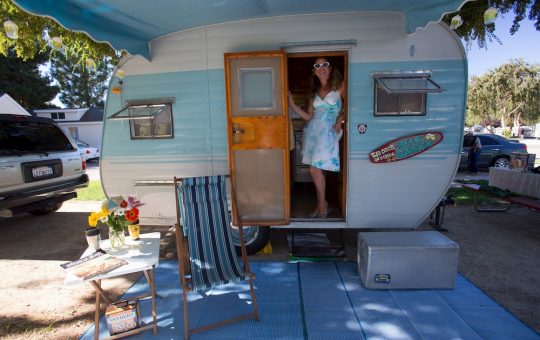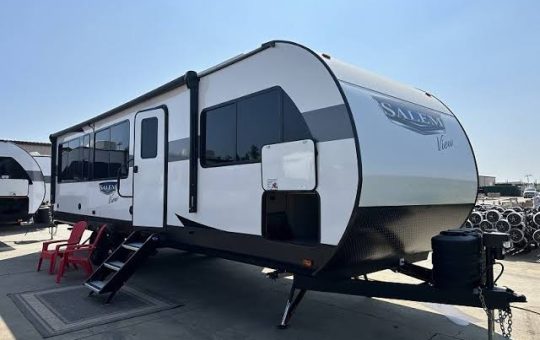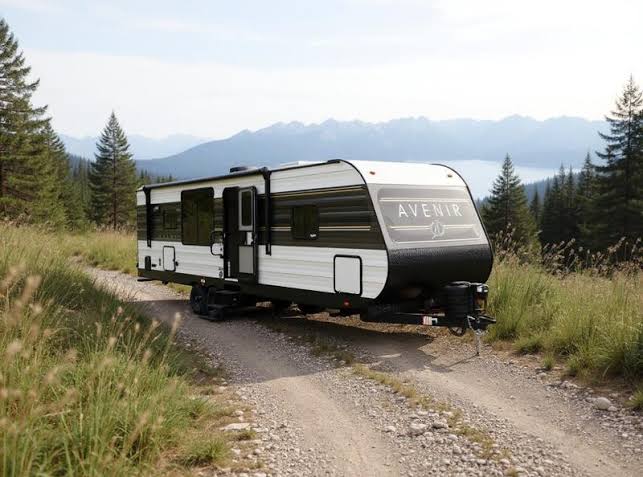
Searching for “used travel trailers for sale near me” can bring up a long list of local dealerships, private sellers, and online listings. Having plenty of choices is helpful, but it can also make the buying process confusing. Two trailers may look similar in photos but have very different prices, conditions, features, and maintenance histories.
If you’re planning to buy a used travel trailer, comparing listings carefully is one of the best ways to find a trailer that fits your needs and budget. Instead of focusing only on the asking price, look at the trailer’s age, condition, floor plan, included features, towing requirements, and potential repair costs.
Here’s how to compare local used travel trailer listings before making a decision.
Start With Your Budget
Before comparing individual listings, decide how much you’re prepared to spend.
The advertised price is only one part of the total cost of owning a travel trailer. You may also need money for registration, insurance, maintenance, tires, batteries, repairs, towing equipment, and storage.
If you’re buying an older trailer, it’s particularly useful to keep some money available for unexpected repairs.
For example, a trailer with a lower asking price may need new tires or appliance repairs, while a slightly more expensive trailer may already have those items taken care of. Looking at the overall cost can give you a more realistic comparison.
Compare Similar Models
When you find several used travel trailers for sale near you, try to compare similar models whenever possible.
Look at:
-
Manufacturer
-
Model
-
Model year
-
Floor plan
-
Trailer length
-
Sleeping capacity
-
Weight
-
Included features
-
Overall condition
A newer trailer isn’t automatically a better value, and an older trailer isn’t necessarily a bad purchase. Maintenance history and condition can make a major difference.
Comparing similar trailers helps you understand whether a seller’s asking price is reasonable for the local market.
Pay Attention to Model Year
The model year is an important detail when comparing used travel trailers.
Newer trailers may have updated interiors, appliances, layouts, and technology. Older models may be less expensive but could require more maintenance or have components approaching the end of their useful life.
However, age alone shouldn’t determine your decision. A well-maintained older trailer can sometimes be in better condition than a newer unit that has been neglected.
Look at the complete history rather than relying only on the year.
Check the Trailer’s Condition
Photos can make a used travel trailer look excellent, but pictures don’t always reveal hidden problems.
When comparing local listings, arrange an in-person inspection whenever possible.
Check the exterior for:
-
Cracks
-
Dents
-
Damaged seals
-
Loose trim
-
Roof problems
-
Discoloration
-
Signs of previous repairs
Inside the trailer, inspect the walls, ceiling, floor, cabinets, windows, doors, and furniture.
Pay special attention to soft flooring, water stains, peeling materials, swollen wood, and musty odors. These may indicate previous or ongoing moisture problems.
Water damage can be particularly expensive to repair, so don’t overlook it simply because the trailer looks attractive in photographs.
Compare Floor Plans
The floor plan can have a bigger impact on your camping experience than the trailer’s exterior appearance.
Think about how many people will regularly use the trailer and how you’ll use the available space.
A family may want bunk beds and a larger dining area, while a couple may prefer a comfortable bedroom and more open living space.
Also consider the kitchen and bathroom layout. If you plan to cook frequently, counter space and storage may be important. If you travel with children, sleeping arrangements and storage may matter more.
Whenever possible, walk through the trailer before buying. A floor plan that looks perfect online may feel different when you actually stand inside it.
Compare Towing Requirements
Don’t forget to compare trailer weight.
Your vehicle needs to be properly matched to the travel trailer you’re considering. Check the trailer’s relevant weight ratings and compare them with your vehicle’s towing capacity.
Remember that the trailer won’t remain at its empty or advertised dry weight once you add water, luggage, food, camping equipment, and other belongings.
A trailer that looks affordable may not be practical if you need to upgrade your tow vehicle to use it safely.
Compare Included Features
Used travel trailers can come with a wide range of equipment.
One listing may include upgraded appliances, solar equipment, awnings, a newer battery, or other accessories. Another trailer at a similar price may be completely standard.
When comparing listings, write down what’s included with each one.
Consider features such as:
-
Air conditioning
-
Heating
-
Refrigerator
-
Stove
-
Microwave
-
Bathroom
-
Shower
-
Awning
-
Solar equipment
-
Entertainment system
-
Storage
-
Backup camera
-
Upgraded mattress
-
Additional outdoor equipment
Accessories shouldn’t automatically make one trailer the better choice, but they can affect the overall value.
Check Maintenance and Repair History
A maintenance history can tell you much more about a used travel trailer than its appearance.
Ask the seller when the trailer was last serviced and whether any major repairs have been completed.
Find out about:
-
Roof maintenance
-
Tire replacement
-
Battery replacement
-
Brake service
-
Wheel bearings
-
Appliance repairs
-
Plumbing problems
-
Electrical work
-
Water leaks
If the seller has receipts or service records, review them carefully.
A trailer with a documented maintenance history can be easier to evaluate than one where the seller knows very little about its past.
Compare Tire Age
Tires deserve special attention when comparing used travel trailers.
Many buyers look at tread depth but forget to check tire age. Trailer tires can deteriorate from age and exposure even when they don’t appear heavily worn.
Inspect the sidewalls for cracks, weathering, or other damage and check the tire date codes.
If one trailer needs a complete set of tires while another has recently replaced tires, that difference should be considered when comparing their prices.
Look at the Roof
The roof is another major inspection point.
Check for damaged roofing material, cracked sealant, loose components, or evidence of previous leaks.
Ask the seller how frequently the roof has been inspected and maintained.
If you’re not comfortable evaluating the roof yourself, consider hiring an RV technician or inspector. A professional inspection can be especially useful when comparing older travel trailers.
Compare Seller Types
When searching for used travel trailers for sale near me, you’ll usually encounter both dealerships and private sellers.
Dealerships may offer financing options, trade-ins, warranties, or additional services depending on the business.
Private sellers may offer lower prices or a more direct buying experience, but buyers need to do more of their own research and verify the trailer’s condition and paperwork.
Neither option automatically guarantees a better purchase. The specific trailer, seller, documentation, and condition matter more.
Read Listings Carefully
Don’t rely only on listing headlines.
Read the complete description and look for details about ownership, usage, maintenance, upgrades, damage, and repairs.
If a listing doesn’t provide enough information, contact the seller and ask specific questions.
Be cautious of listings with unusually low prices, vague descriptions, limited photos, or pressure to make a quick payment.
Verify the Paperwork
Before buying, make sure the trailer’s identification information matches the paperwork.
Check the VIN, title, registration, and any other documents required in your area.
The seller should be able to demonstrate that they have the legal right to sell the trailer.
Never rush through the paperwork simply because you don’t want someone else to buy the trailer first.
Create a Simple Comparison List
Once you’ve found several local listings, create a basic comparison chart for yourself.
Record each trailer’s:
-
Asking price
-
Model year
-
Length
-
Weight
-
Floor plan
-
Sleeping capacity
-
Condition
-
Tire age
-
Maintenance history
-
Included features
-
Known repairs
-
Seller type
This makes it much easier to see which listings deserve a closer inspection.
Final Thoughts
Searching for used travel trailers for sale near me can be a great starting point, but finding the right trailer requires more than comparing prices. Local listings can vary considerably in condition, maintenance history, equipment, and overall value.
Take your time comparing similar models and pay attention to details such as water damage, roof condition, tires, appliances, plumbing, electrical systems, and maintenance records. Most importantly, make sure the trailer’s weight and towing requirements match your vehicle.
Once you’ve narrowed down your choices, inspect the trailers in person and consider getting a professional RV inspection before completing the purchase.
A careful comparison may take a little more time, but it can help you avoid costly surprises and make your search for a used travel trailer much more worthwhile.