Buying your first travel trailer can be exciting, but it can also feel overwhelming. When you search for travel trailers for sale, you’ll quickly find hundreds of options with different sizes, floor plans, features, and price tags. For someone who is new to RVs, it can be difficult to know which features actually matter and which ones you can live without.
The good news is that you don’t need to be an RV expert to make a smart purchase. By understanding the basics and thinking about how you plan to use your trailer, you can narrow down your choices and find a model that fits your lifestyle.
This beginner’s guide covers the most important things to consider before buying a travel trailer.
What Is a Travel Trailer?
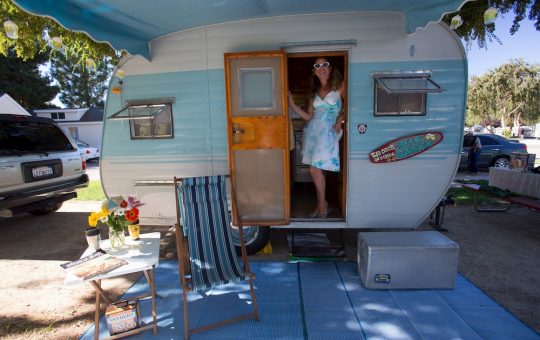
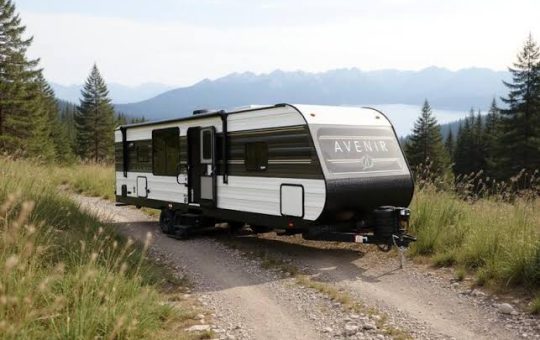
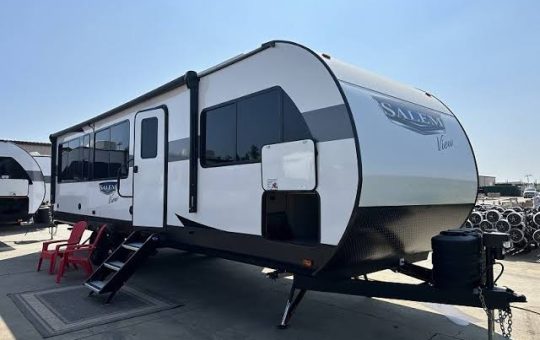
A travel trailer is a towable recreational vehicle that provides living space without having its own engine. Unlike a motorhome, a travel trailer needs a suitable vehicle to tow it.
Depending on the size and design, a travel trailer may include a bedroom, kitchen, bathroom, dining area, living space, and storage.
Some smaller models are designed for couples or solo travelers, while larger trailers can accommodate families and groups.
One of the main benefits of a travel trailer is that you can leave the trailer at a campsite and use your tow vehicle separately for sightseeing, shopping, or exploring nearby attractions.
Decide How You Plan to Travel
Before looking at travel trailers for sale, think about the type of trips you want to take.
Will you mostly go camping on weekends? Do you plan to take long road trips? Will you travel with children, pets, or several adults?
Your travel habits will help determine what type of trailer makes sense.
For example, a couple who enjoys short weekend trips may prefer a compact trailer that’s easy to tow and park. A family may need more sleeping space, storage, and a larger kitchen.
You should also think about where you’ll camp. If you normally stay at established campgrounds with hookups, your needs may be different from someone who wants to spend time in remote locations.
Set Your Budget
It’s easy to get distracted by attractive features when shopping for an RV, so establish a realistic budget before you start visiting dealerships.
The purchase price isn’t the only cost you’ll have. Other expenses can include:
-
Insurance
-
Registration and taxes
-
Maintenance
-
Tires
-
Batteries
-
Hitch equipment
-
Repairs
-
Storage
-
Campground fees
-
Accessories
If you’re buying a used travel trailer, leave some room in your budget for unexpected maintenance.
A trailer that costs slightly more but is well maintained may ultimately be less expensive than a cheaper model that requires major repairs.
Understand Towing Capacity
One of the most important things beginners need to understand is towing capacity.
Your tow vehicle needs to be properly matched to the trailer. Check your vehicle manufacturer’s towing information and compare it with the trailer’s weight ratings.
Don’t look only at the advertised dry weight. Once you add passengers, water, food, luggage, camping equipment, and other belongings, the actual weight can increase.
You should also understand the trailer’s gross vehicle weight rating and cargo carrying capacity.
If you’re unsure about towing calculations, speak with a qualified RV dealer or towing professional before purchasing.
Choose the Right Size
Bigger isn’t always better when it comes to travel trailers.
A larger trailer may provide more living space, but it can also be harder to tow, maneuver, park, and store.
A smaller trailer may be easier for a beginner to handle, especially if you plan to visit smaller campgrounds or travel frequently.
Consider how many people will sleep in the trailer and how much space you’ll realistically need.
Think about storage, kitchen space, bathroom size, and sleeping arrangements rather than choosing a trailer based only on its exterior size.
Pay Attention to the Floor Plan
The floor plan is one of the most important features to consider.
Two trailers can have similar lengths and prices but feel completely different inside.
Some layouts have a fixed bedroom, while others use convertible sleeping areas. Family trailers may include bunk beds, while couples may prefer a larger bed and more open living space.
If possible, walk through the trailer before buying it. Open the cabinets, sit at the dining table, lie on the bed, and imagine how the space will work during an actual trip.
Small details can make a big difference once you start using the trailer regularly.
New or Used Travel Trailer?
Beginners often wonder whether they should buy new or used.
A new travel trailer gives you access to current designs, appliances, and features. Depending on the purchase, it may also include manufacturer warranty coverage.
Used travel trailers are often more affordable and may provide more features for the same budget. However, condition is extremely important.
If you’re considering a used model, inspect it carefully for water damage, roof problems, worn tires, electrical issues, plumbing leaks, and appliance problems.
Ask for maintenance records and consider having the trailer professionally inspected before buying.
Check the Essential Features
Travel trailers can come with many different features, so focus on the ones you’ll actually use.
Depending on your needs, you may want to look for:
-
Comfortable sleeping areas
-
Kitchen appliances
-
Bathroom and shower
-
Heating and air conditioning
-
Adequate storage
-
Outdoor awning
-
Refrigerator
-
Water heater
-
Entertainment system
-
Solar or battery equipment
Don’t pay extra for features simply because they sound impressive. Think about your camping habits first.
Inspect a Used Trailer Carefully
If you’re looking at used travel trailers for sale, take your time during the inspection.
Start with the exterior. Look at the roof, windows, doors, seals, walls, storage compartments, and tires.
Inside, check the ceiling, walls, floors, cabinets, furniture, and appliances.
Look for water stains, soft flooring, musty odors, mold, swollen wood, or peeling materials. These may indicate water damage.
Test the electrical outlets, lights, appliances, plumbing fixtures, air conditioning, and heating system where possible.
If you’re not comfortable performing a detailed inspection yourself, hiring an RV inspector can be a worthwhile investment.
Think About Maintenance
Every travel trailer requires some maintenance, even a new one.
You’ll need to keep an eye on tires, roof seals, batteries, plumbing, appliances, brakes, and other components.
Ask yourself whether you’re comfortable handling basic maintenance or whether you’ll rely on a dealer or RV technician.
Understanding maintenance requirements before you buy can help you choose a trailer that fits both your budget and your comfort level.
Consider Storage
Don’t forget where you’ll store your travel trailer when you’re not traveling.
If you plan to keep it at home, make sure you have enough room and that local regulations allow it.
You may also need to consider driveway access, gates, overhead clearance, and the ability to maneuver the trailer into position.
If home storage isn’t possible, research nearby RV storage facilities and include the monthly cost in your ownership budget.
Take a Test Tow
If possible, getting some experience towing before buying a travel trailer can be extremely helpful.
A trailer can feel very different behind a vehicle than it does when you’re simply walking through it at a dealership.
You should understand how to turn, brake, reverse, and position the trailer safely.
If you’re a first-time owner, consider taking a towing or RV driving course.
Ask Questions Before Buying
Don’t be afraid to ask the dealer or seller detailed questions.
For a used trailer, ask about previous ownership, storage, repairs, water leaks, tire replacement, appliance servicing, and maintenance.
For a new trailer, ask about warranty coverage, delivery, setup, servicing, and what is included in the purchase price.
Getting clear answers before signing anything can help prevent misunderstandings later.
Final Thoughts
Searching through travel trailers for sale can be exciting, especially when you’re imagining future camping trips and road adventures. But buying your first trailer is a decision worth taking slowly.
Start by deciding how you plan to travel, set a realistic budget, and make sure your tow vehicle can safely handle the trailer you choose. Then compare floor plans, sizes, features, and ownership costs.
If you’re considering a used travel trailer, inspect it carefully and don’t hesitate to get a professional inspection. For a new trailer, understand the warranty and what is included with the purchase.
The best travel trailer isn’t necessarily the biggest, newest, or most expensive one. It’s the one that fits your travel style, towing setup, budget, and everyday needs. Taking the time to find that match can make your first RV purchase much more enjoyable and set you up for many memorable trips on the road.